



A guide to understanding their specific features and telling them apart.
In the world of textiles, leather goods, DIY, or even sports, the terms webbing and ribbon are often used interchangeably. However, they refer to very different products, both in terms of use and design. Here’s a guide to help you understand their characteristics and distinguish them clearly.
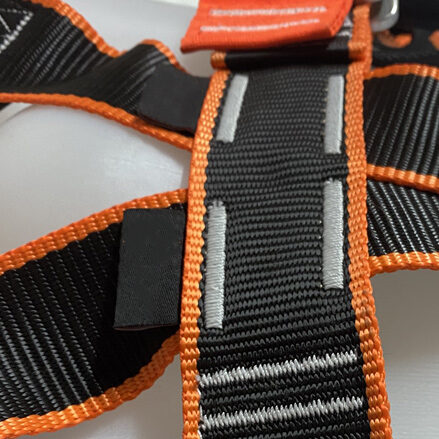
1. Webbing: strength and support
Common uses:
- Seat belts
- Harnesses
- Backpacks (straps and tightening webbings)
- Lifting and load securing
- Sports equipment (climbing, slacklining)
Characteristics:
- Variable width (often between 20 mm and 50 mm)
- Thicker than ribbon
- Tight, dense weave
- Sometimes reinforced or treated against moisture and abrasion

2. Ribbon: finesse and decoration
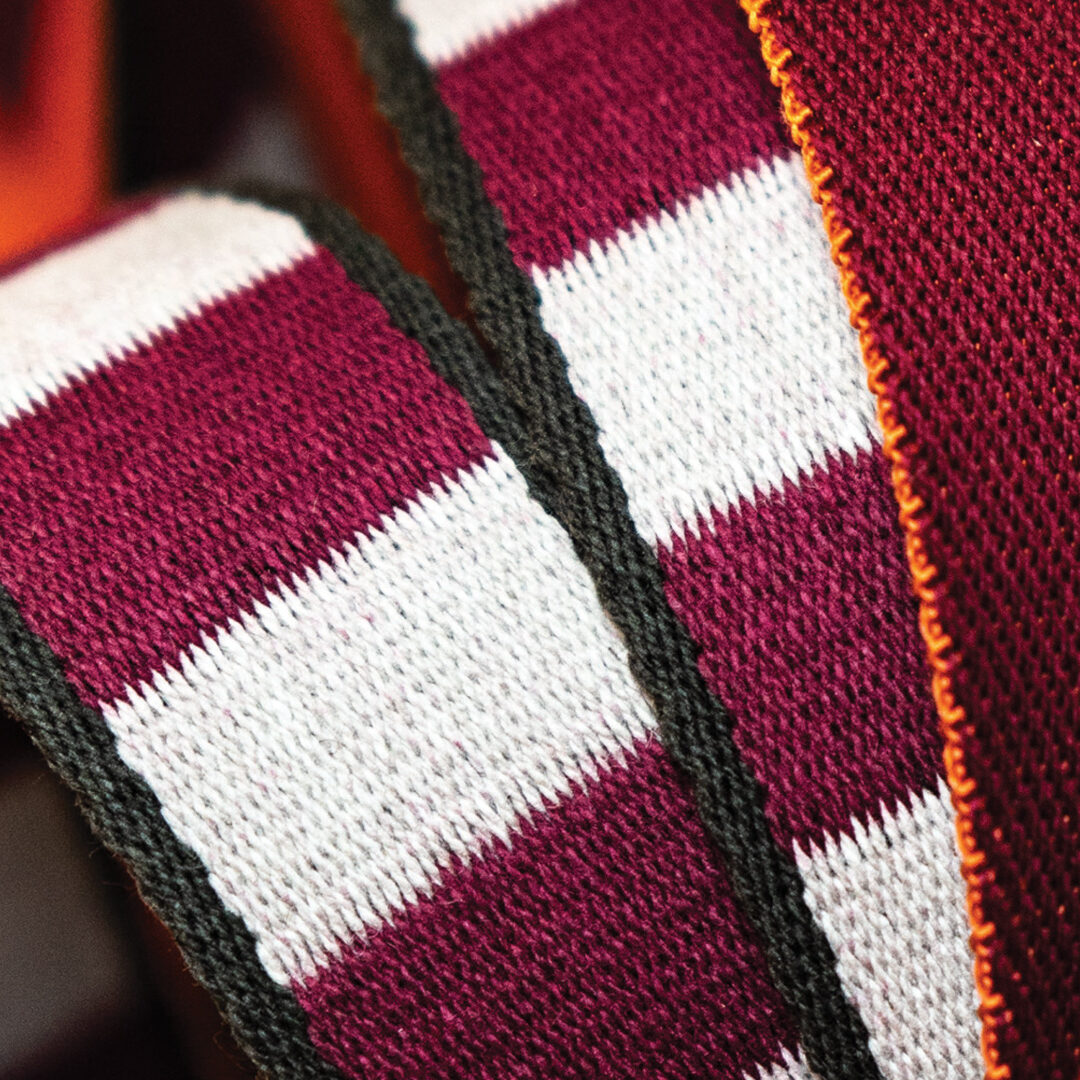
Ribbon, on the other hand, is a thinner and more flexible textile strip, often used for aesthetic or light-duty purposes. It can be made from satin, grosgrain, organza, velvet, etc.
Common uses:
- Gift wrapping
- Sewing and decoration
- Fashion accessories
- Medals and distinctions
- Creative hobbies
Characteristics:
- Generally narrower (from a few millimeters to a few centimeters)
- Lighter weave
- Decorative appearance (colours, patterns, textures)
- Lower tensile strength



3. In summary: how to tell them apart?
| Criteria | Webbing | Ribbon |
|---|---|---|
| Thickness | Thick and durable | Thin and lightweight |
| Use | Functional, support, safety | Decorative, aesthetic |
| Materials | Nylon, polyester, thick cotton | Satin, organza, velvet, etc. |
| Strength | Very strong | Low to moderate |
Conclusion : Webbing is designed to hold, support, secure, while ribbon is intended to decorate, enhance, or identify. Distinguishing between them helps you choose the right product for the intended use.